- Latest
- Trending
Ten VALORANT agents, their four abilities each, and how to actually use them with a team. This guide collects the agent profiles we publish on Hunter Gamer into one place so you can compare roles side by side instead of opening ten tabs.
Every ability description here was checked against the official VALORANT agent pages and the VALORANT Wiki on 31 October 2026. Costs, charges and timings change with patches, so check the linked sources for exact numbers before you rely on one. The tactical suggestions are our own editorial guidance based on the documented abilities.
| Role | What it does | Agents in this guide |
|---|---|---|
| Duelist | Opens space and takes the first fight | Phoenix |
| Initiator | Gathers information and disrupts before an entry | Sova, Breach, Skye, Fade |
| Controller | Blocks sightlines so a team can move | Brimstone, Omen |
| Sentinel | Holds and watches space with utility | Sage, Cypher, Killjoy |
Three agents have their own longer profiles: Jett, Raze and Gekko. For the settings side of the game, see our VALORANT settings guide.
Phoenix is a Duelist from the United Kingdom in VALORANT.
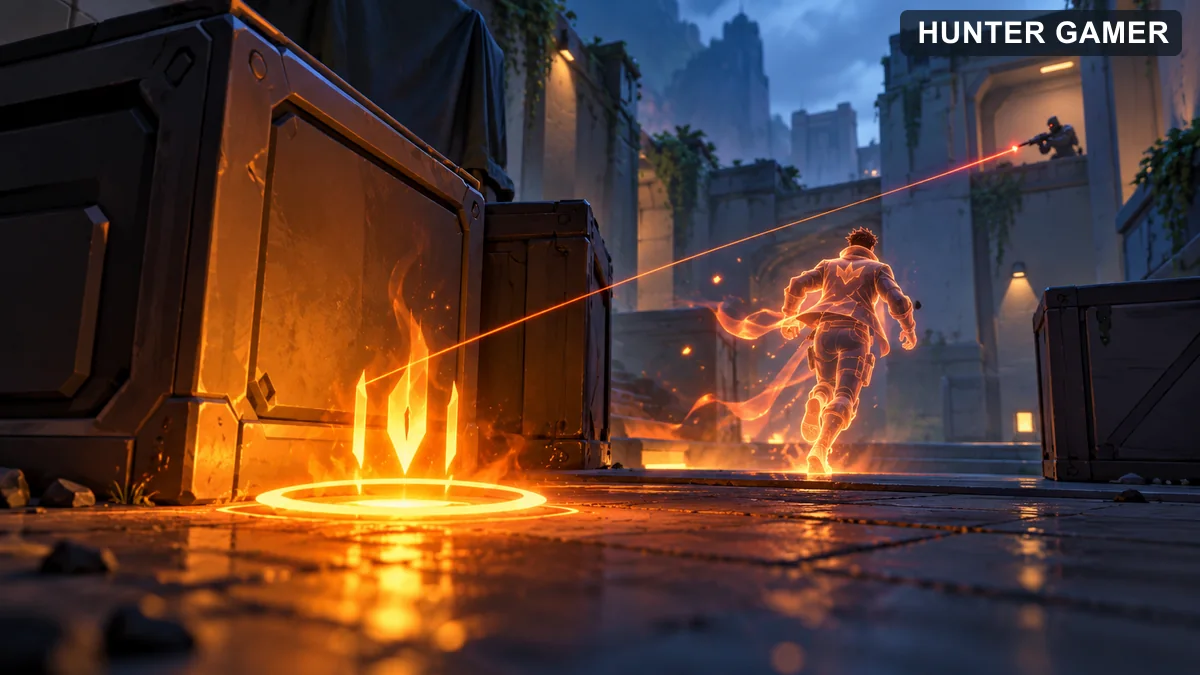
Phoenix can create his own opening with Curveball, then use Blaze to block one sightline while checking another. His own fire heals him through the Inner Fire passive, but the fire can harm other players. Call the flash before swinging so teammates have time to turn away.
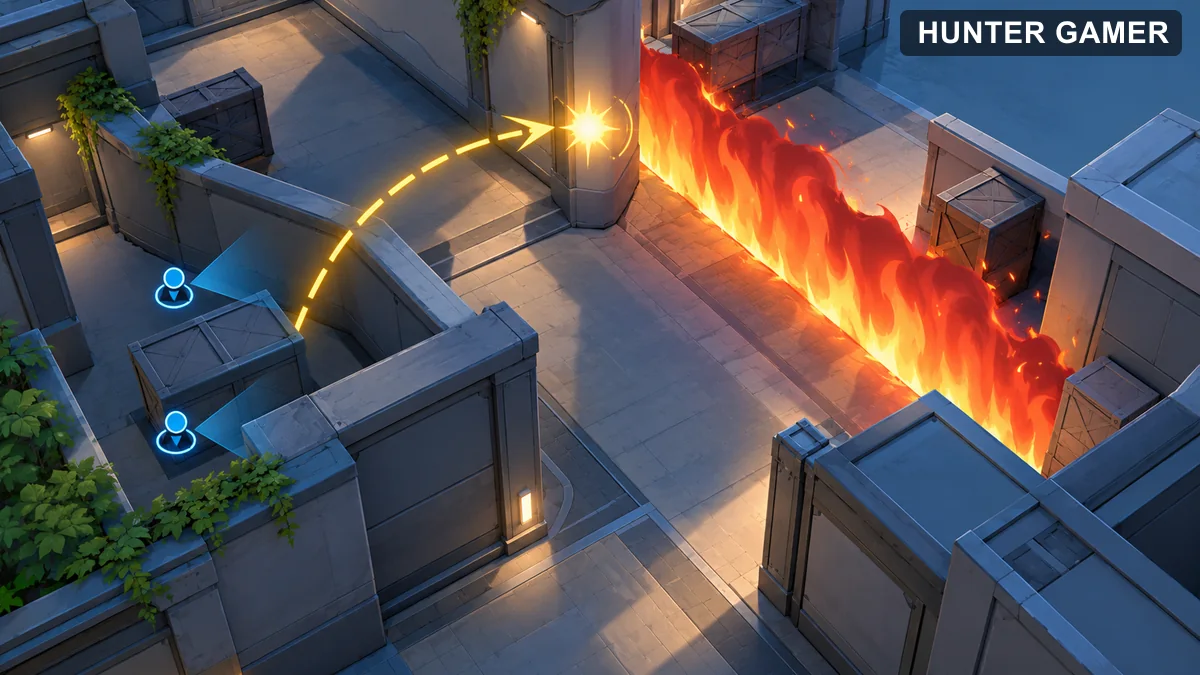
Run it Back does not make the return point safe. Choose a marker location that your team can protect, and remember opponents may watch it. Avoid using fire where it traps an ally or closes off your own escape.
Sova is a Initiator from Russia in VALORANT.
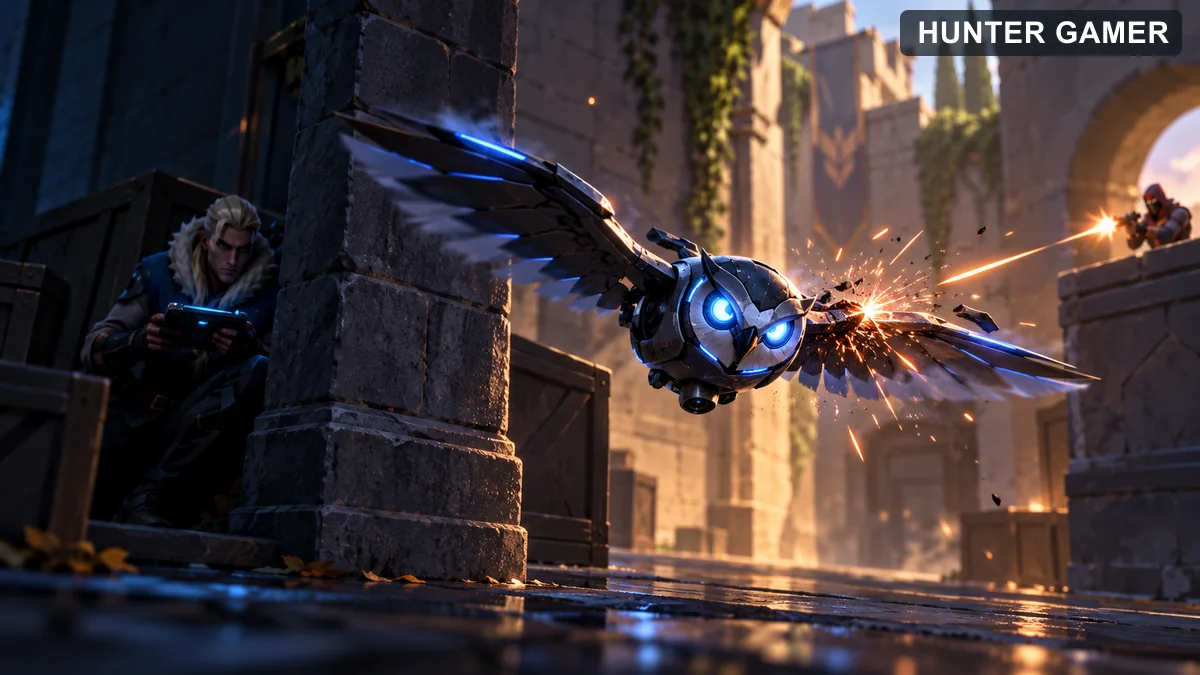
Sova gathers information before teammates enter a contested space. Use Recon Bolt or Owl Drone to check a route, then call the positions actually revealed. A bolt that shows nobody is not proof the whole area is clear: the reveal depends on range and line of sight.
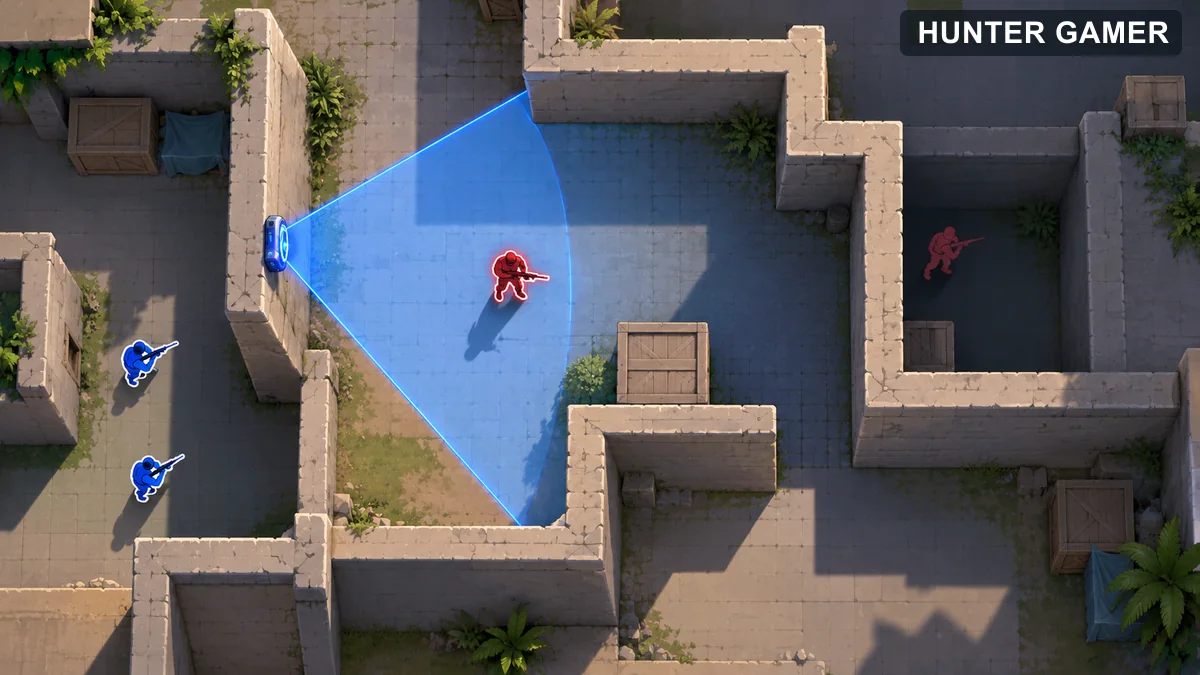
Recon Bolt and Owl Drone can be destroyed. If an opponent breaks one immediately, treat that as a clue and keep checking nearby angles. Avoid standing in the open while controlling the drone.
Breach is a Swedish Initiator whose abilities pass through terrain to disrupt defenders and create openings for teammates. His kit can damage a position, flash a sightline, and concuss an area. This guide explains what each ability does and how to coordinate its use.
The descriptions below were checked against the VALORANT agent page and current VALORANT Wiki on October 31, 2026. Costs and timings change with patches, so consult the linked sources before relying on a specific number.
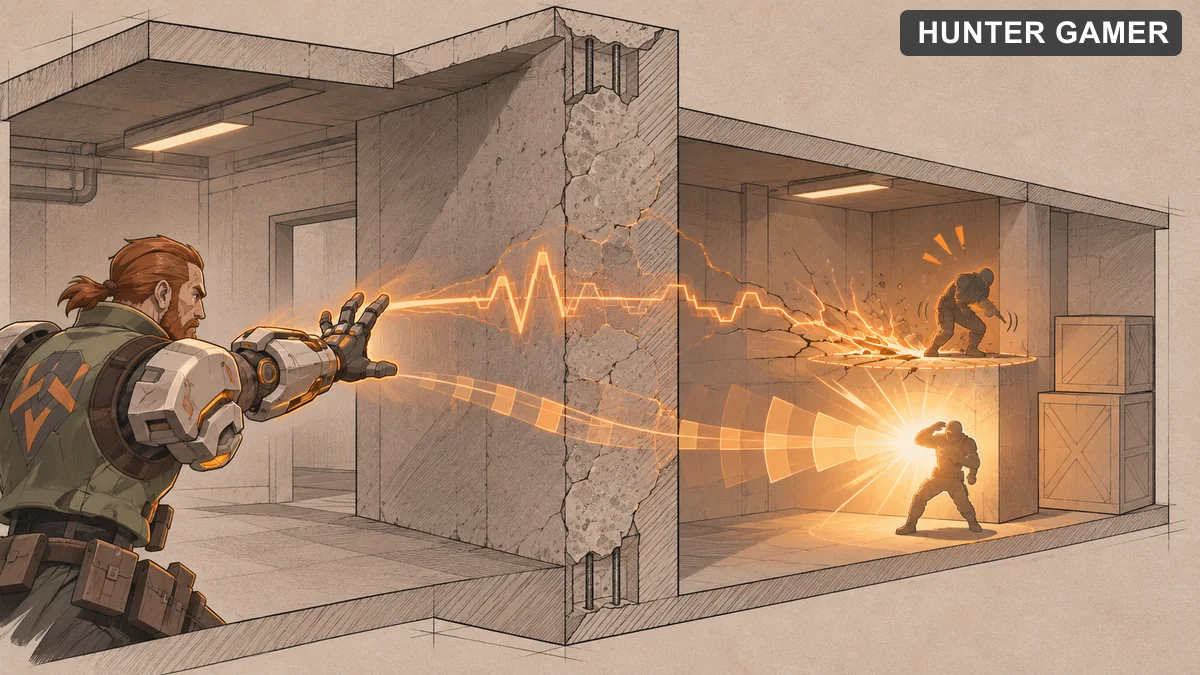
Breach is strongest when a teammate is ready to act on the disruption. Before using Flashpoint or Fault Line, tell your team which area you are targeting and when the effect is about to happen. The call matters because both abilities can affect other players, and an unannounced flash can interfere with an ally’s peek.
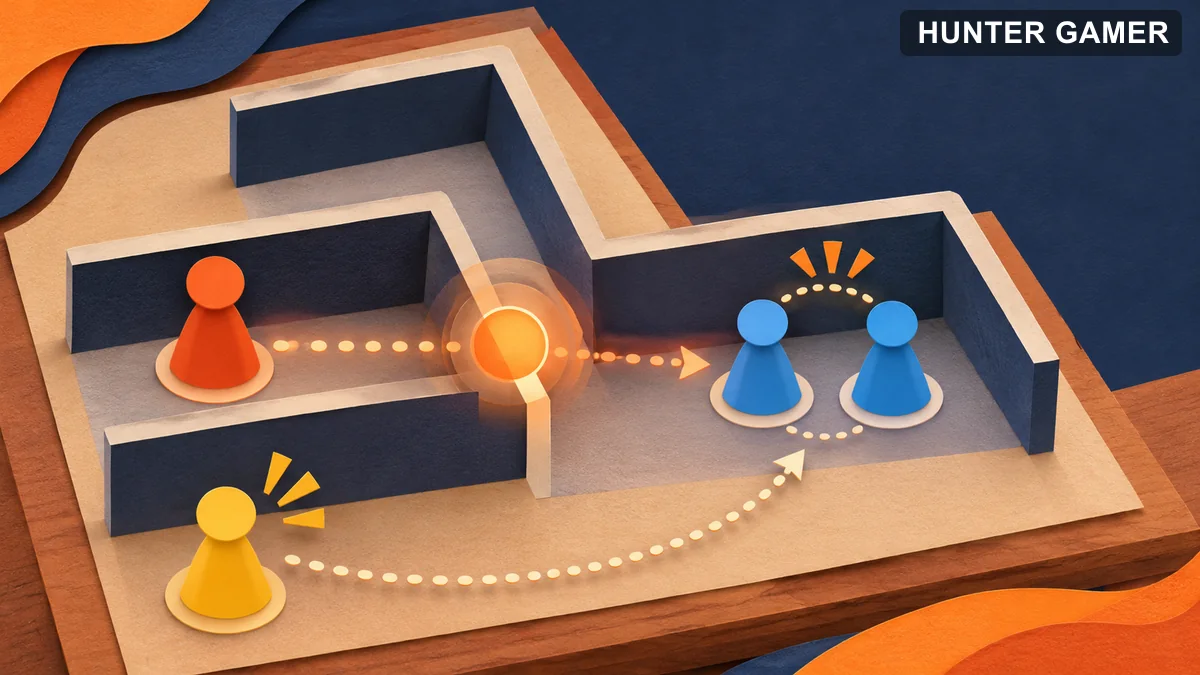
Use Aftershock to challenge a known position rather than assuming it will clear an entire area. Watch whether the opponent moves and be ready to cover the exit. Rolling Thunder can start a coordinated entry or interrupt opponents holding a tight space, but teammates still need to clear angles afterward.
In a custom game, learn where each wall-penetrating ability lands from common approach points. Practice a short callout before each cast, then check whether a teammate could safely move while the effect is active. Repeat on the maps you play most often.
Skye is an Australian Initiator with tools for scouting, flashing, and healing teammates. Her abilities can help a team enter contested space, but they need clear communication because her flash and concuss can also affect allies.
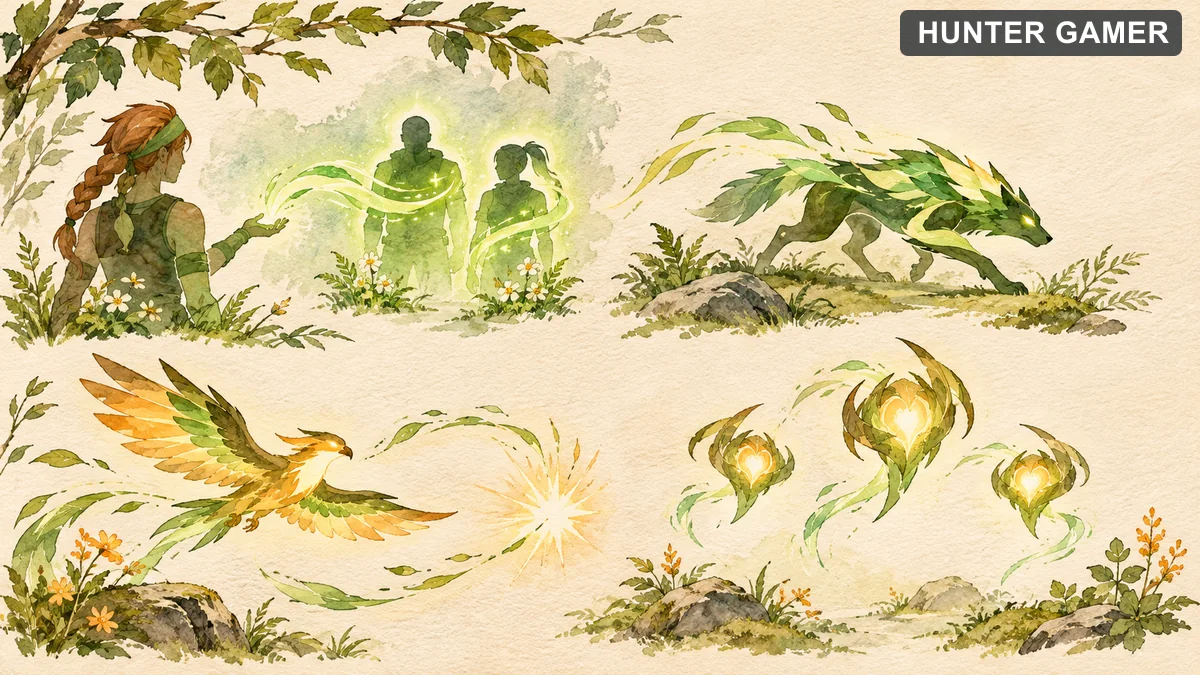
Trailblazer lets Skye check a route before her team enters it. Tell teammates what you see and where the predator was destroyed, because either result helps narrow the areas that still need checking.
Guiding Light can prepare a peek, but announce the flash before detonating it. A hit confirmation is information about an opponent in the ability’s range and line of sight; it does not clear every corner of the area.
Regrowth is for helping allies recover between fights or when there is safe cover. Skye cannot heal herself, and the healing pool is limited, so avoid standing in an exposed position just to reach a teammate.
Practice guiding the hawk around a corner and detonating it where teammates can turn away. Then practice the Trailblazer route from the same position. Focus on calling what each ability actually confirmed, rather than declaring the area empty.
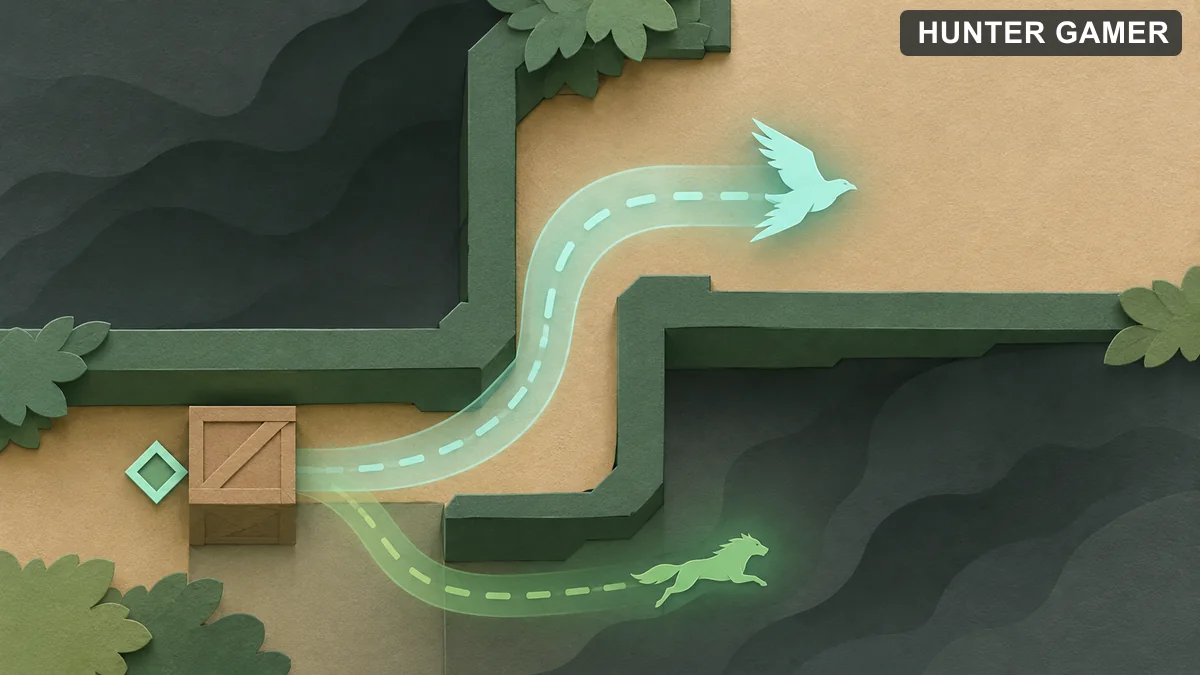
Fade is a Turkish Initiator in VALORANT. Her kit is built around finding opponents, tracking marked enemies, and making it harder for them to escape a fight. This guide explains all four abilities and gives beginners a simple way to use the information they reveal.
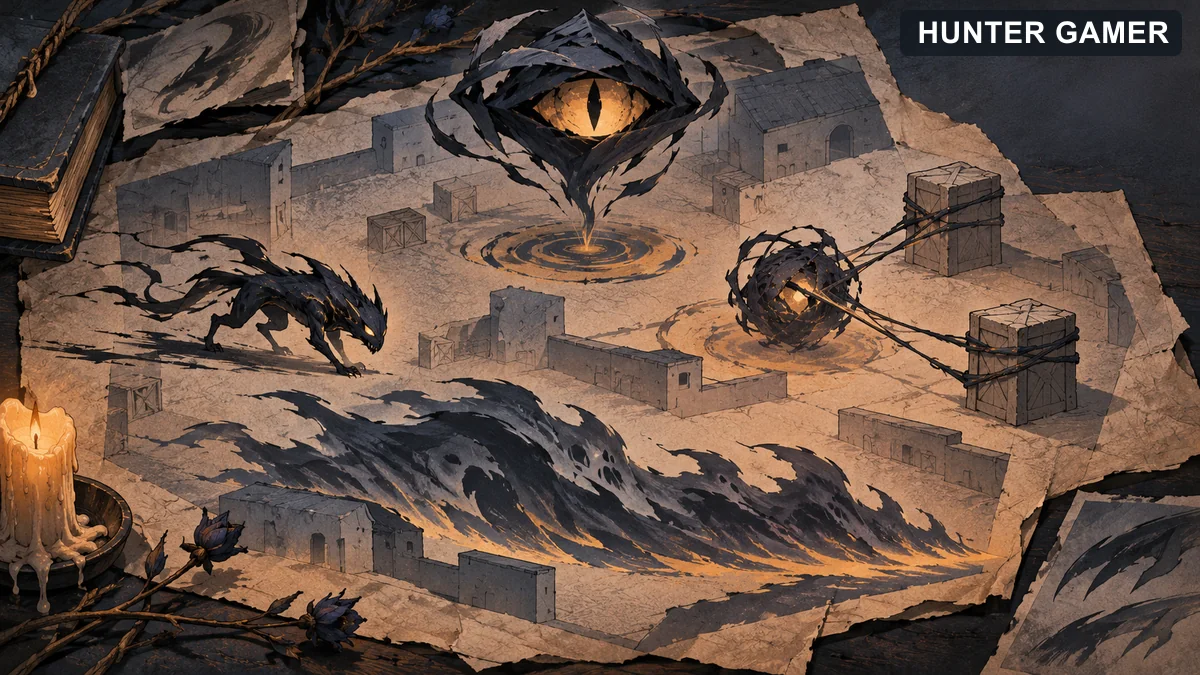
Marked opponents leave Terror Trails that show their movement. Haunt and Nightfall create marks; Prowler can follow a trail it detects. This makes Fade useful for gathering information before a team commits to a push or a retake.
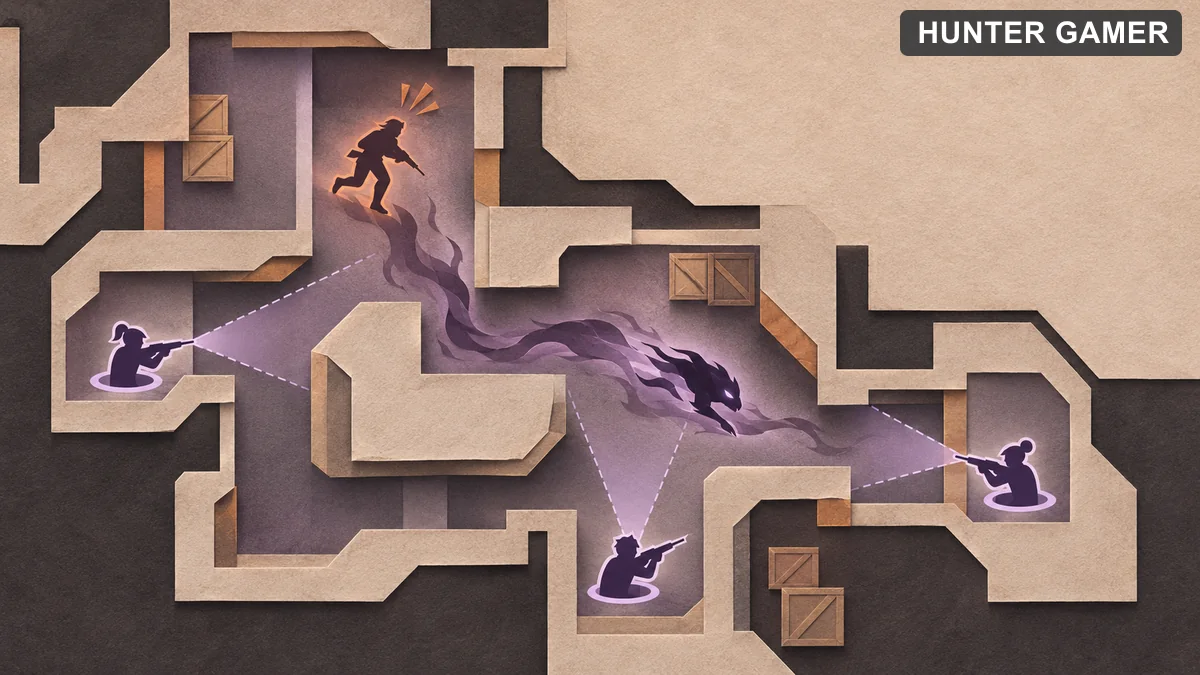
The practical sequence is to look for information first, share the marked location with teammates, and then use Prowler or Seize to pressure the space the opponent can still occupy. This is a starting approach, not a guaranteed combination: enemies can move, break line of sight, or destroy Haunt and Prowler.
Do not treat a reveal as a promise that an enemy will remain in the same place. Use the information quickly, but keep checking angles as you move.
Haunt needs line of sight and can be destroyed. Throwing it into an obvious exposed spot may give a very short reveal.
Seize restricts movement after it lands; it does not replace checking the rest of the site. Communicate which area you have covered.
Brimstone is a Controller from the United States in VALORANT.
Brimstone supports a team by blocking selected lines of sight before the entry begins. Tell teammates which angles your smokes cover and when they are about to fall. Incendiary can make a position hard to hold, while Stim Beacon helps nearby teammates commit to a planned fight.
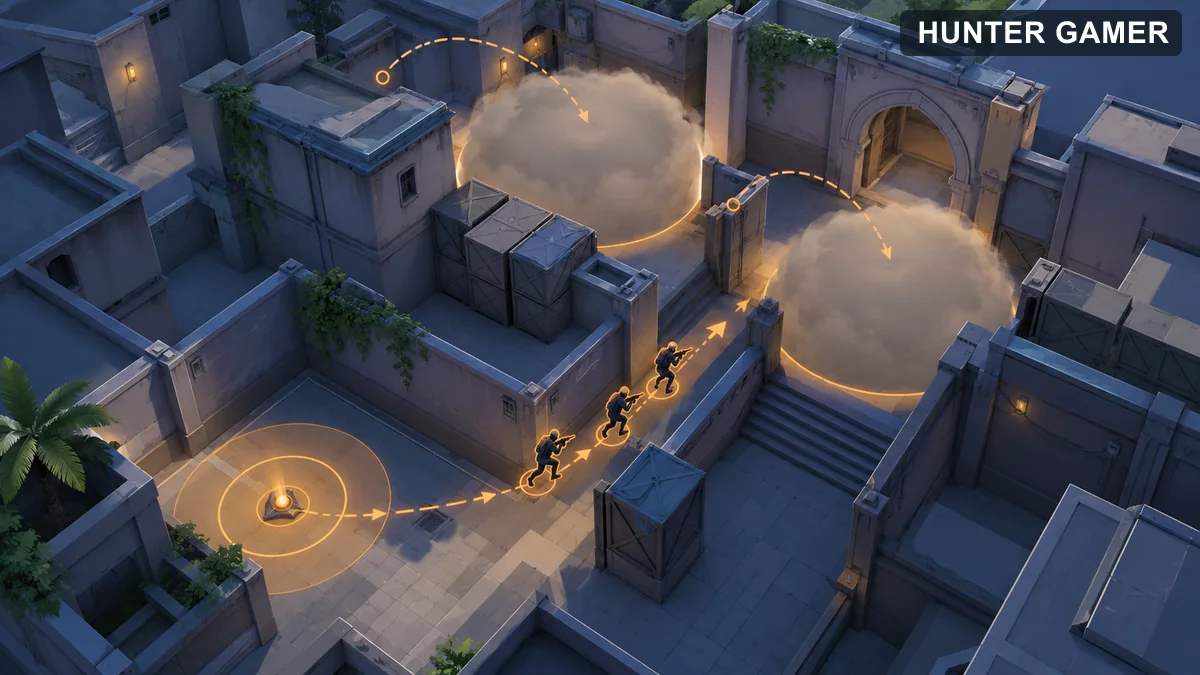
A smoke hides what is inside and beyond it; it does not prove the area is empty. Check for opponents playing close to its edge. Incendiary and Orbital Strike damage all players, so coordinate their placement with teammates.
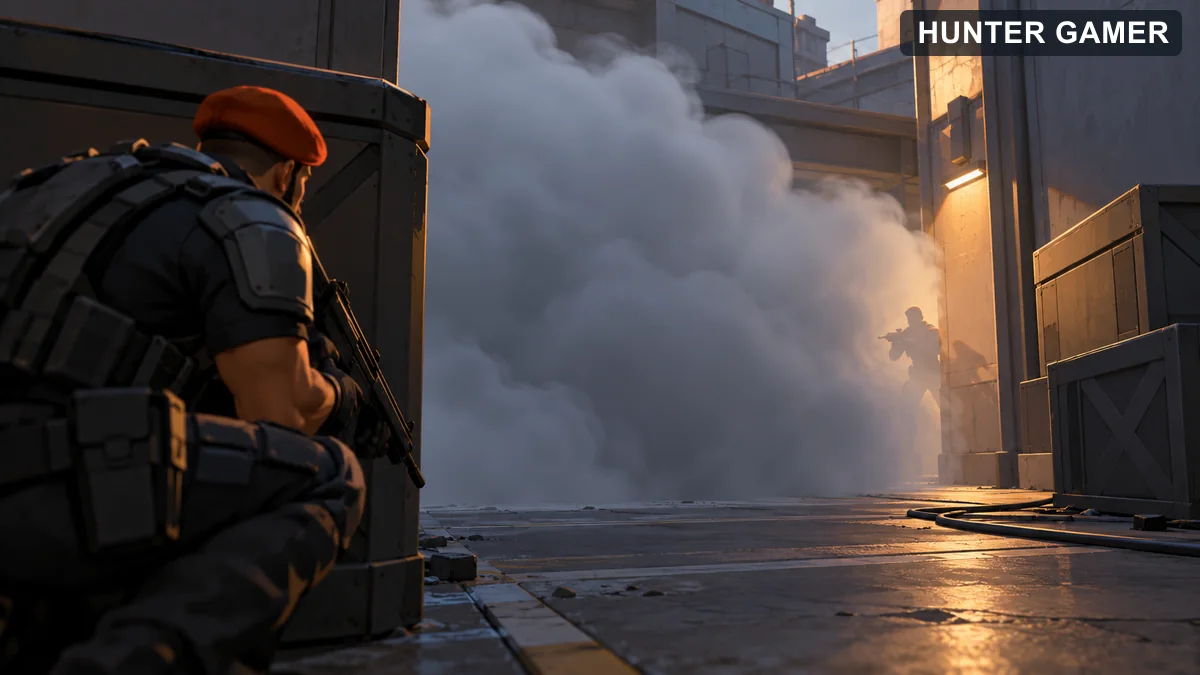
Omen is a Controller from an unknown origin in VALORANT.
Omen can block a sightline with Dark Cover while his team moves into position. Communicate where the smoke will land so allies know which angles remain open. Paranoia can help a coordinated peek, but tell teammates before sending it forward because it affects players in its path.
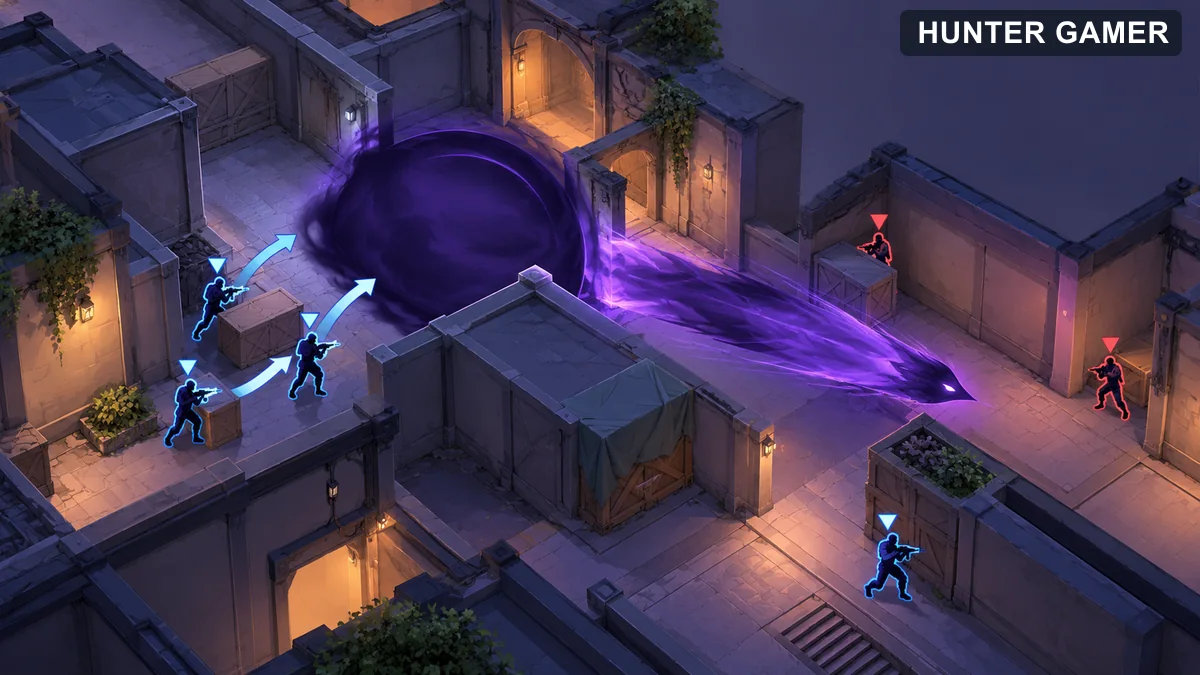
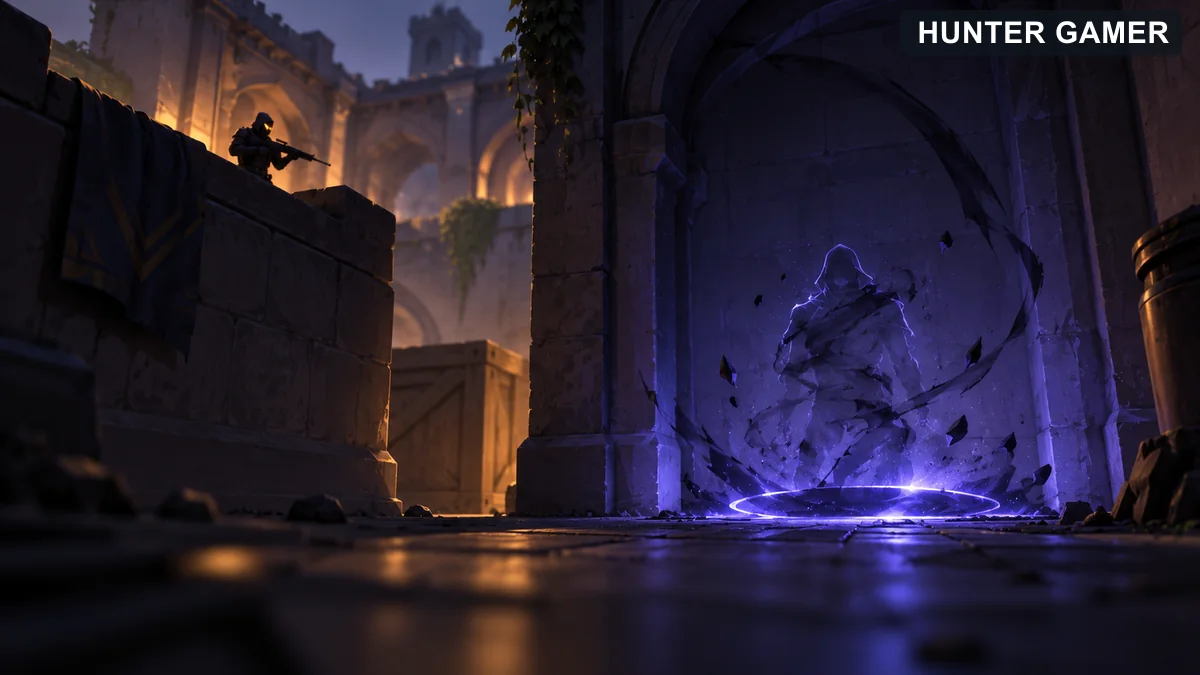
A teleport does not make the destination safe. Listen for opponents and clear the landing area before committing. From the Shadows can be interrupted while Omen is a shade, so choose a destination for a reason rather than teleporting only to surprise someone.
Sage is a Sentinel from China in VALORANT.
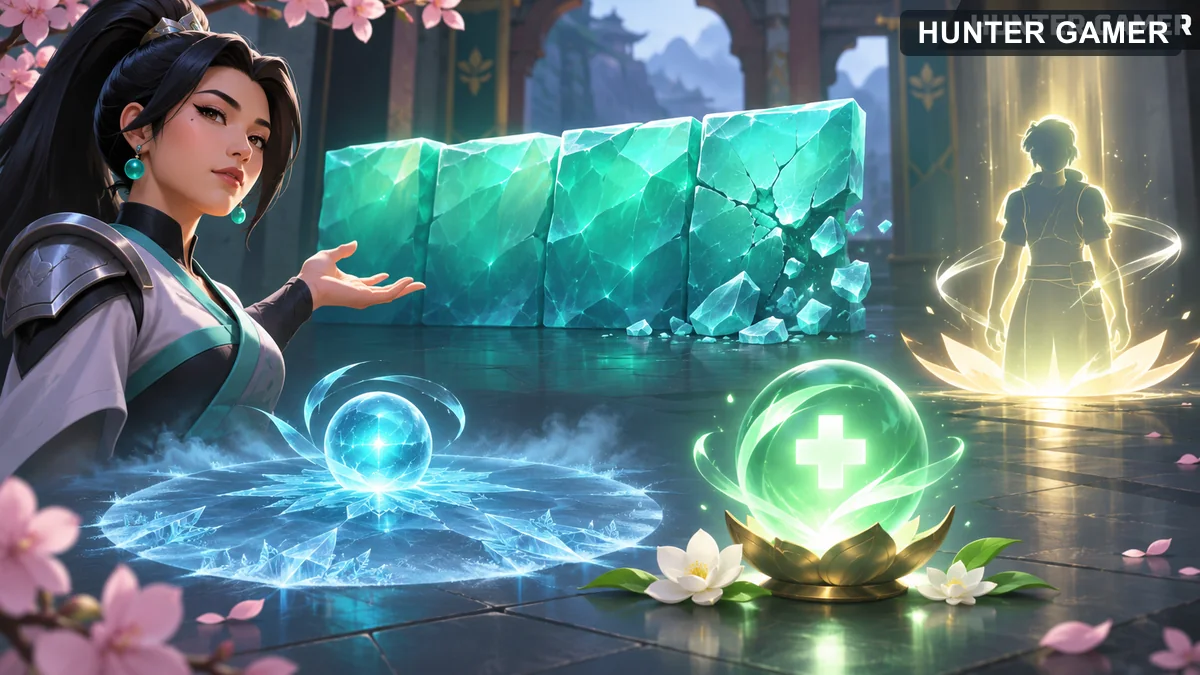
Sage can slow a push and help allies stay in the round. Place Barrier Orb to block or delay a route, then be ready for opponents to damage it or go another way. Use Slow Orb to make a crossing harder and listen for its cue. Heal from cover when possible rather than moving into an exposed lane.
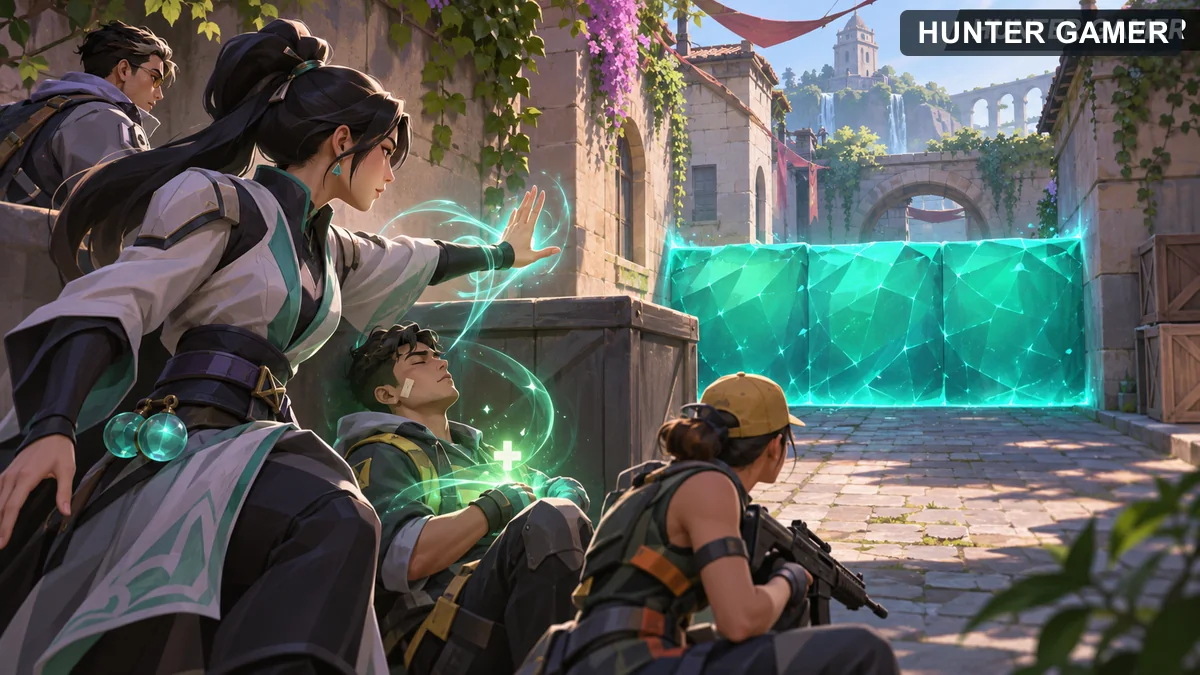
The wall can be broken, and a revive leaves both Sage and the returning teammate vulnerable if the location is not protected. Check the surrounding angles and communicate before using Resurrection.
Cypher is a Sentinel from Morocco in VALORANT.
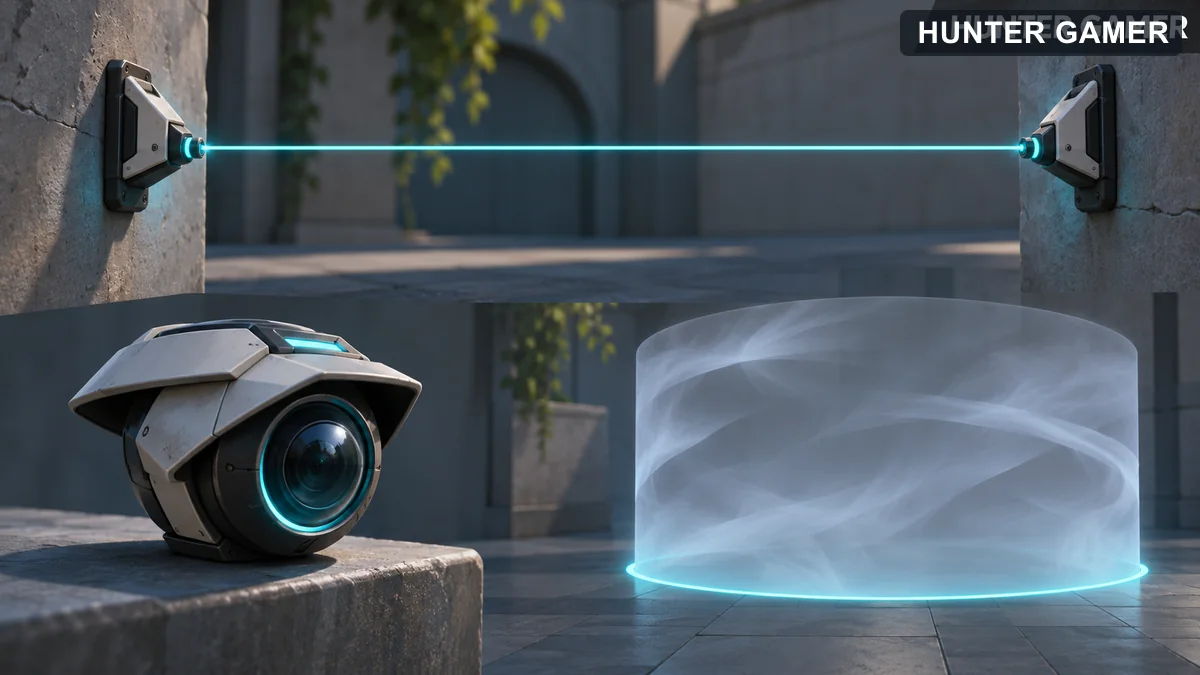
Cypher’s gadgets help a team watch routes without standing on every angle. Place a Trapwire where it crosses a real travel path, and use Spycam to check a position before moving. Tell teammates whether a camera view, wire trigger, or ultimate snapshot supplied the information: each has different limits.
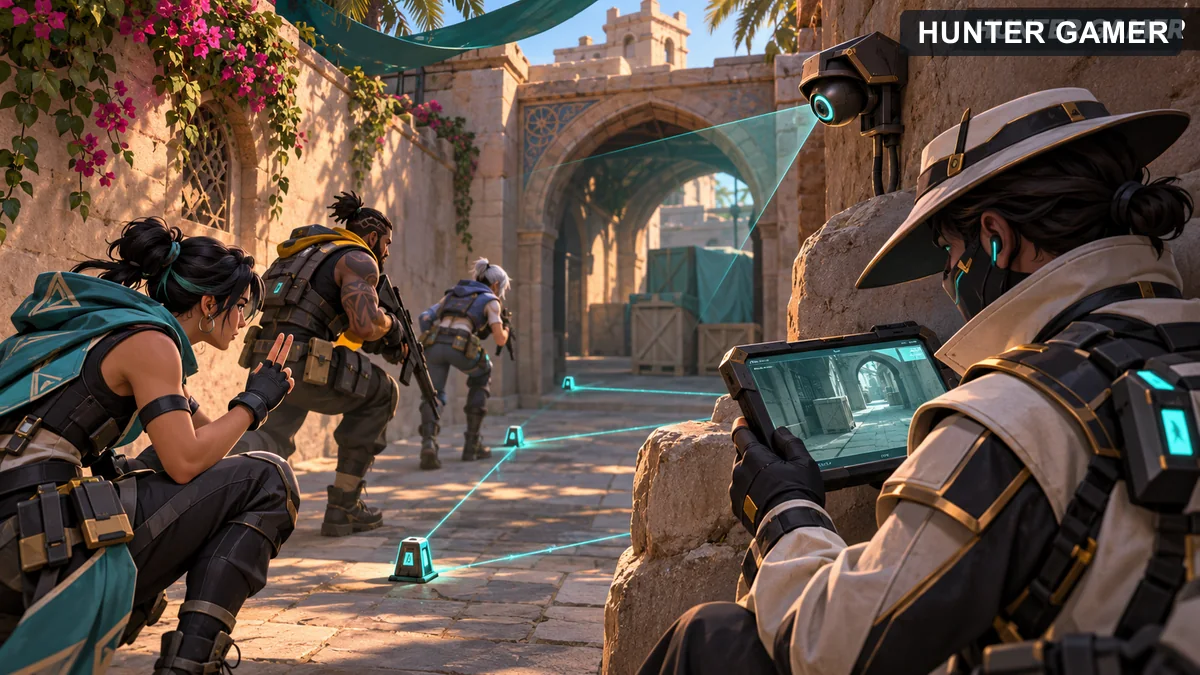
A snapshot shows where an opponent was, not where they will be when you arrive. Cypher’s camera and wire can be destroyed, so do not assume silence means a route is safe.
Killjoy is a Sentinel from Germany in VALORANT.
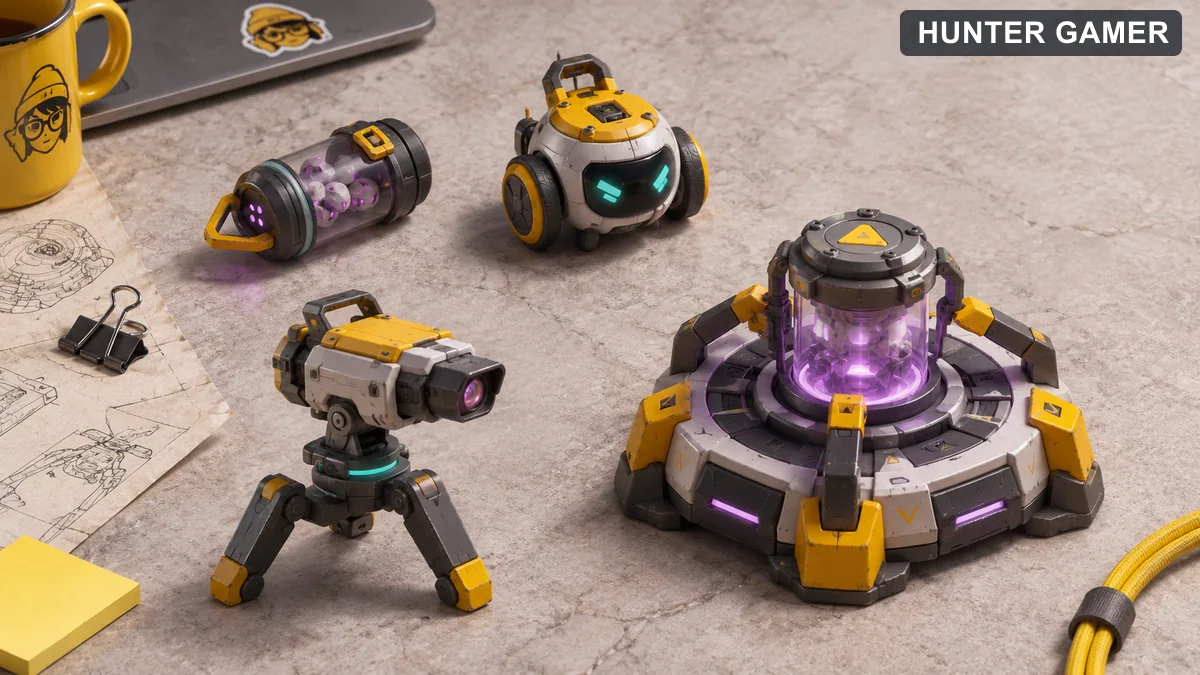
Killjoy helps defend space and notice movement. Put a turret where its sightline covers an approach, but do not assume it can watch through a wall. Alarmbot and Nanoswarm can make an opponent choose between retreating and crossing a damaging area. Tell teammates when a device triggers or is destroyed; a broken device is information too.
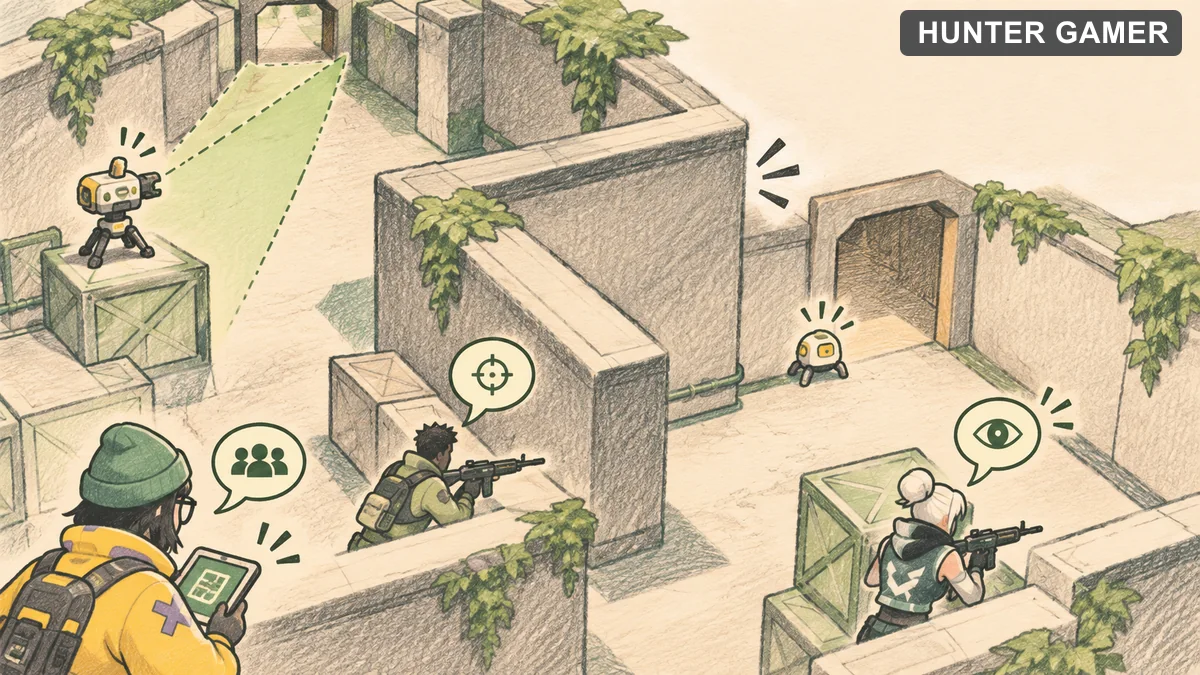
Her utility is destructible, and Lockdown has a delay. Do not leave a position unguarded because a gadget seems to cover it. Practice which angles your turret can actually see and where opponents can safely destroy Lockdown.
All ability descriptions checked 31 October 2026 against the official VALORANT agent pages and the VALORANT Wiki: